
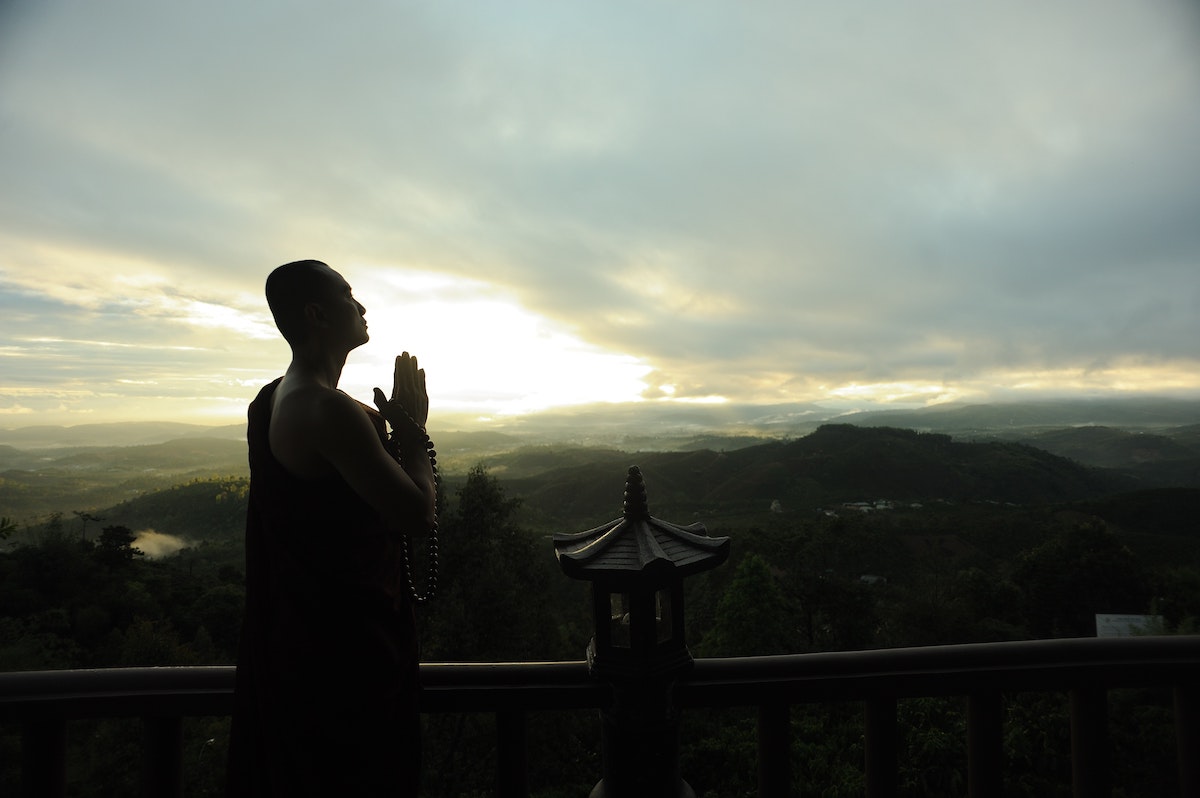
The third practice in following the Way of Love is the practice of Prayer. Bishop Mariann Budde addresses the practice of Prayer in the third chapter of her book, “Receiving Jesus: The Way of Love.” I have always found the practice of prayer to be a complex topic to address – and not because prayer is a difficult skill to master, but because prayer is often a misunderstood practice. A practice of simply “spending time with God” that most people believe they “should” be very good at, but in fact, they are not…so, sadly, the topic is put off for another day…and one’s life of prayer is delayed and delayed and delayed. Prayer is most often different for different people; and for the same person, prayer is different from one day to the next. One of the biggest barriers to an active and fruitful prayer life is to assume that “prayer” means one thing, or even a few things, and that all types of prayer work for all types of people. Just as different types of food, different forms of exercise, or different places for vacation give us varieties of joy and feed our souls, so it is with prayer. And once you have discovered the form of prayer that brings you close to God, you must learn to make it a frequent practice. Bishop Budde addresses all these aspects of prayer in chapter three with wonderful insight.
I appreciate that Bishop Budde begins by saying that regular attention and commitment to a prayer life is not easy, and it is not perfect. Even people who pray often will tell you of the many times they drifted away because they were just too busy, too tired, or felt distant from God. The main difference with the people who pray regularly and those who don’t is that after failure, they get back on the horse and begin again. The good news: God is always waiting and happy to listen! Budde thoughtfully shares some of her own ups and downs: “If you were to ask me to rate my prayer life, I would say that it depends on the day. There are some days when I feel close to God in prayer and other days when I don’t.” We are all complex beings of human emotion and spiritual essence – the struggles of the complex nature of “being human” is not always easy or straightforward. Budde shares an important insight: “Struggles in prayer notwithstanding, I have learned that it is possible to become more confident in our relationship with God. Through the practice of prayer, we can learn to avail ourselves of the divine source of strength that is the presence of God in our lives. Through prayer, we can know ourselves to be unconditionally loved and find guidance as we strive to live meaningful lives. It is helpful to remember that God wants us to experience prayer, not as a weighty obligation, but rather a source of refreshment and clarity, where we can know ourselves to be forgiven and loved.” With this approach toward prayer – we find a live-giving source of love and strength that draws us in for renewal, refreshment, and strength.
In a similar manner as previous chapters, Bishop Budde reviews this practice by helpful categories for us to consider: With or Without Words; Daily Prayer; Patient Listening; and The Practice of Prayer. An important element of learning for “With or Without Words” is to be assured that you may approach God with the deepest yearnings of your heart or the most simple expressions of life (maybe just an “I’m tired today, God!”), and everything in between. No magic or lofty words are needed…and if you doubt this, simply read some conversations with God from the Old Testament – there is a whole lot of “keeping it real” found in those Scripture passages! Or, maybe you have no words: “There are countless ways we are in conversation with God, not necessarily involving direct speech,” writes Budde. And she quotes Anne Lamott, “Prayer means that, in some unique way, we believe we’re invited into a relationship with someone who hears us when we speak in silence.” Her section on “Daily Prayer” is an important reminder that prayer is best done with greater frequency. Budde writes, “Daily prayer doesn’t require you to step out of your life…You don’t have to be an expert at daily prayer…In fact, it’s good to start small. Prayer’s fruitfulness comes not in the length of our prayers, but in our faithfulness to them.” I think she has captured one of the most important aspects of prayer with God – small, simple, heartfelt sharing that frequently connects us in divine relationship with the loving God who created us! Once the divine conversation has started, Budde wisely reminds us that “Patient Listening” is an important response to God. This is particularly true as we wait for the “voice” that is the “one, true voice of God” and not something else. Budde quotes monk Martin Laird regarding the many voices we might encounter, “the inner chaos of voices can become a wild cocktail party of which we find ourselves the embarrassed host.” Budde continues by saying, of her own experience, “The inner voices can be trivial, but they can often be harsh and judgmental. Some are self-justifying, most are the fruit of anxiety.” I believe Budde’s point here is an important one, because if we allow the “inner chaos of voices” to distract or disturb us, or attribute our anxieties to God’s judgment of ourselves, prayer becomes a circus-like “hall of mirrors” that will drive us away from prayer, rather than welcome us into the renewal and forgiveness that God’s voice provides. And once again, we end as we started, with the important “Practice of Prayer” which simply is the routine of sacred presence. The practice of prayer is like any other practice in our lives – the more we experience it, the better we are able to do it, and the better we understand what works, and what doesn’t work, to bring us closer to God. Budde writes of prayer: “it is a gentle awareness of God’s daily presence and the gifts of calm, clarity, and direction…Prayer is not the only practice that informs a life with God, but it is foundational…It’s never too late to start or begin again. Daily, simple prayer will help you experience the fruits of faith, as you deepen your relationship with God through Jesus.” May your prayers bring you closer to God this Lent, and may you find the strength and renewal that only God can give, so you may walk the Way of Love with God.
 Padre Ryder's Journal