Our final study of Roger Ferlo’s book, Opening the Bible, examines the book’s final chapter, “Reading the Bible, Reading Scripture.” This final chapter puts together all the “reading tools” the previous five chapters have explained in detail, and provides some insightful guidance about the practice of reading holy Scripture. As you will discover below, the practice of reading the Bible for spiritual growth is in some ways not too different than reading a book, but in many, many ways is a world apart from reading any book or piece of literature!
Tag Archives: Bible
Lenten Book Study – “Opening the Bible”
As we continue to make our way through Roger Ferlo’s book, Opening the Bible, our third gathering took up the topics of two chapters: (Ch. 4) “Comparing Translations,” and (Ch. 5) “Interpreting the Explanatory Notes.” Again, perhaps a bit “technical” in its subject matter, but understanding the process of translation from Hebrew, Aramaic, and Greek to our native languages, with some of the complexity and the “loss of translation” involved in the process, will help the reader to appreciate the original text and be open-minded to a few different meanings of the original author’s “hearing” from their prayerful inspiration. Continue reading
Lenten Book Study – “Opening the Bible”
We continue to make our way through Lent, and our book study of Roger Ferlo’s Opening the Bible. Our discussion this time is focused on Chapter 3, “Scanning the Page,” which is a discussion of some of the “technical” aspects of the construction of the Bible’s printed page, headers, titles, annotated notes, and a host of other items. I will review a few of the items below which I believe will have the greatest impact on reading, understanding, and comparative study. I will leave some of the other details for individual exploration.
Lenten Book Study – “Opening the Bible”
This Lenten season, we will be discussing Roger Ferlo’s, Opening the Bible; discussing how we might read and reflect on God’s Word to inform our Christian lives. We will meet on four occasions, and I will provide a summary of our discussions here so that interested folks who cannot join us will have an opportunity to reflect on these topics at their own convenience. Our discussions are rooted in the traditions of the Episcopal Church, which the reader will need to keep in mind, as there are many traditions and many beliefs regarding reading Holy Scripture.
During our first gathering, we took up the first two chapters of Opening the Bible, (1) “Why Read the Bible?” and, (2) “Preparing to Read.” Continue reading
“Reflection of the Daily Lectionary: Do not remain in the Darkness”
Daily Lectionary 10/06/2010 (William Tyndale): Gospel – John 12:44-50
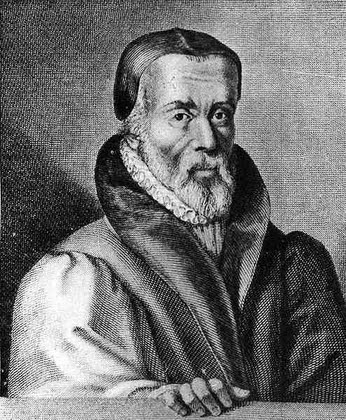
Today, we remember William Tyndale, English theologian and one of the most influential biblical translators of the 16th century. Tyndale spent much of his life in hiding, as King Henry VIII of England and those loyal to the king searched for Tyndale throughout continental Europe in hopes of ending his efforts of translating the Bible into English. Those who sought Tyndale eventually achieved their goal and he was captured in 1535 and put to death in 1536. Ironically, the earliest English Bibles (approved by King Henry VIII) owe much of their content to Tyndale’s work.
Today, we reflect on a passage from John’s Gospel account that tells of Jesus’ mission to humanity – to come as a light to the world so that we would not remain in the darkness. Tyndale’s work was focused on bringing the Word of God out of the unavailable languages of Latin, Greek and Hebrew and helping the common English Christian to read the Bible in their native language. Our passage from John’s Gospel account reminds us that we are responsible for reflecting on God’s Word and opening ourselves to the power of God’s message in our lives, as well as serving others as Tyndale did – helping others to come out of the darkness and into the light of God’s love.